A Burnt Contactor Can Kill Your HVAC System Fast
Here's something most homeowners never think about - a single small part inside your outdoor unit can be the difference between a system that runs perfectly and one that won't turn on at all. That part is the contactor. And when it fails, your heating or cooling stops dead.
A contactor is essentially an electrical switch. Every time your thermostat calls for heating or cooling, the contactor closes to let power flow to the compressor and fan motor. Over time, the contact points get pitted, corroded, or outright burnt from the repeated electrical load. When that happens, the system either won't start, runs constantly, or trips the breaker.
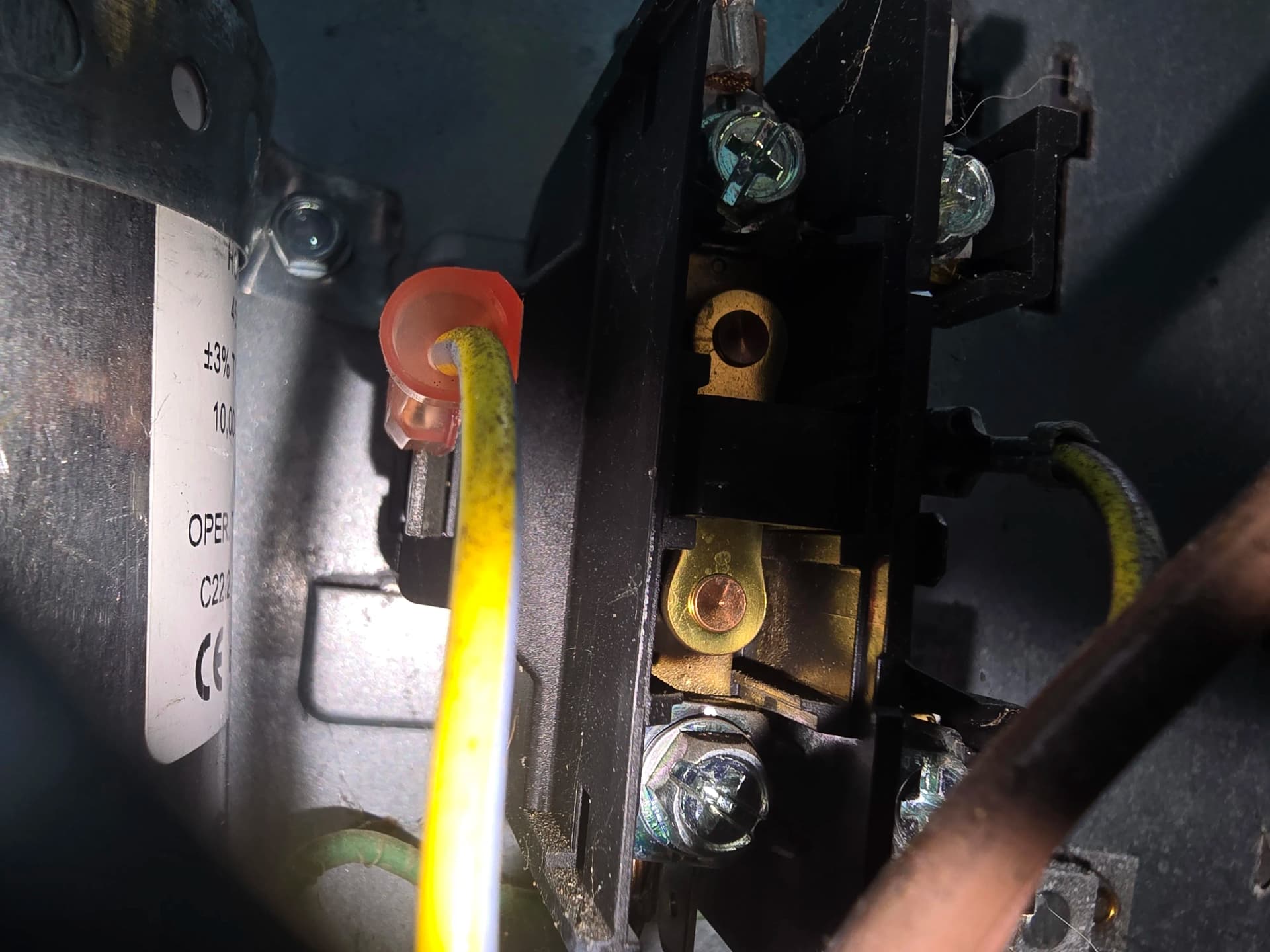
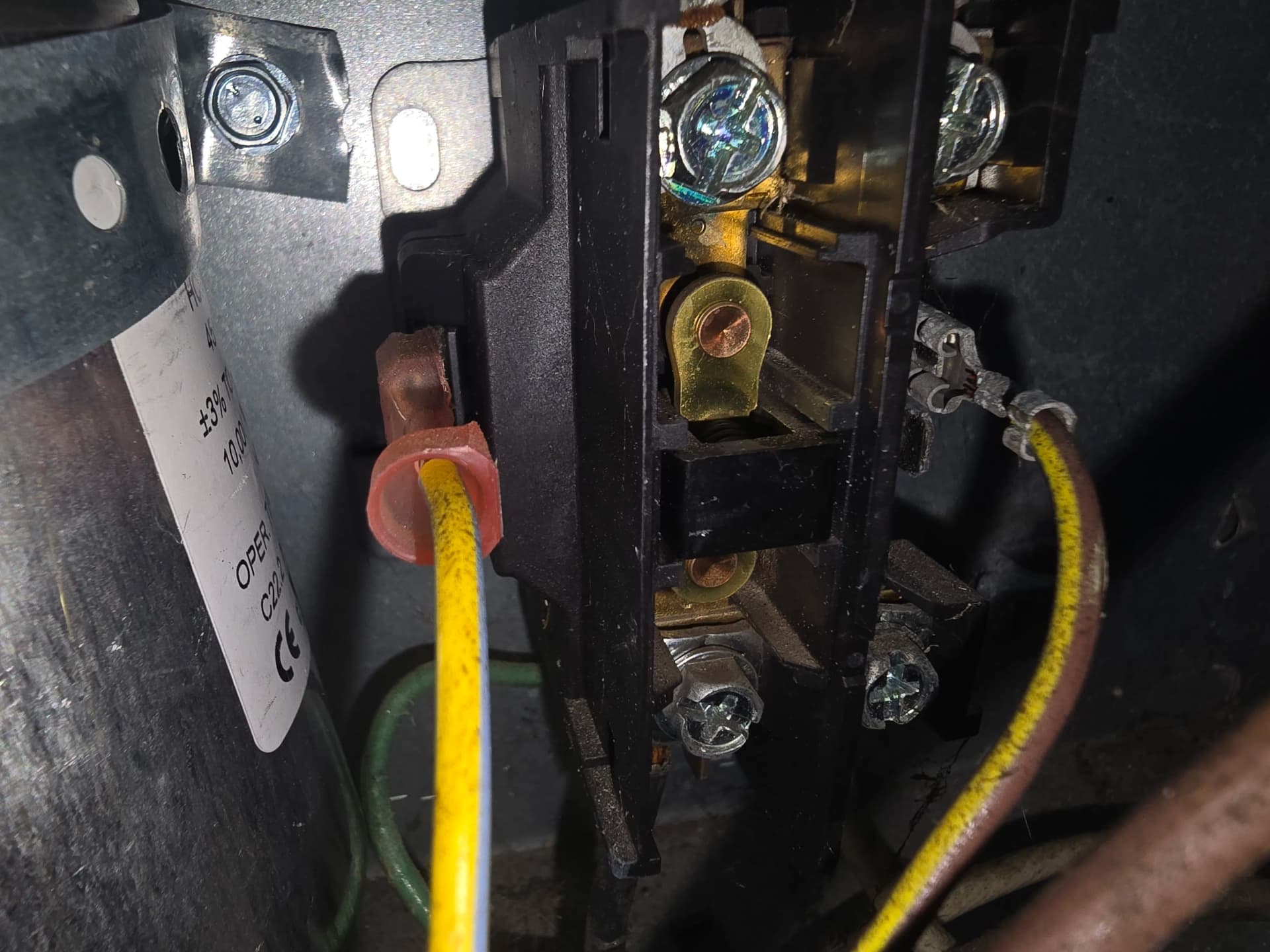
What we're looking at here is a contactor showing clear signs of wear and heat damage on the contact points. This is exactly the kind of thing we check during a tune-up - not because it's the flashiest part of the job, but because catching it before it fails completely saves you from an emergency call on the hottest or coldest day of the year.
We take the small stuff seriously. Contactors, capacitors, wiring connections - these aren't glamorous, but they're what keep your system running safely and reliably season after season. A good HVAC tune-up isn't just about cleaning coils and checking refrigerant. It's about going through the electrical components and spotting the parts that are on their way out before they take the whole system down with them.
If your unit has been short-cycling, making a clicking noise, or just not responding the way it should, a worn contactor could easily be the culprit. It's a relatively inexpensive fix when caught early. When ignored, it can cause compressor damage that turns a small repair into a full system replacement.