A Corroded Filter Drier Can Quietly Wreck Your AC System
A filter drier is a small component - easy to overlook, easy to ignore. But when it starts corroding from the outside, it becomes one of the faster ways your AC system can lose refrigerant without you knowing it. And once refrigerant starts escaping, your system works harder, cools less, and the repair bill grows.
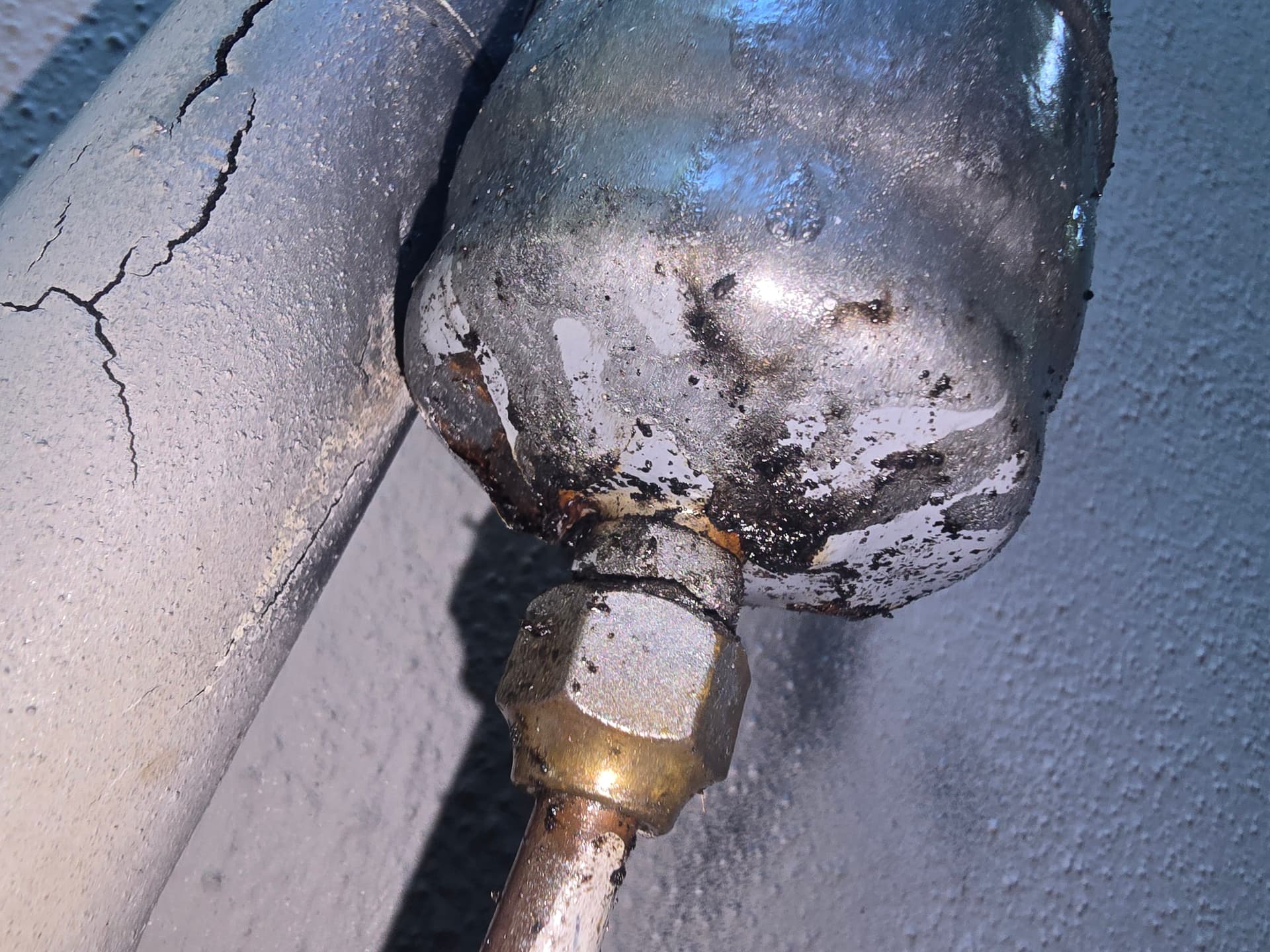
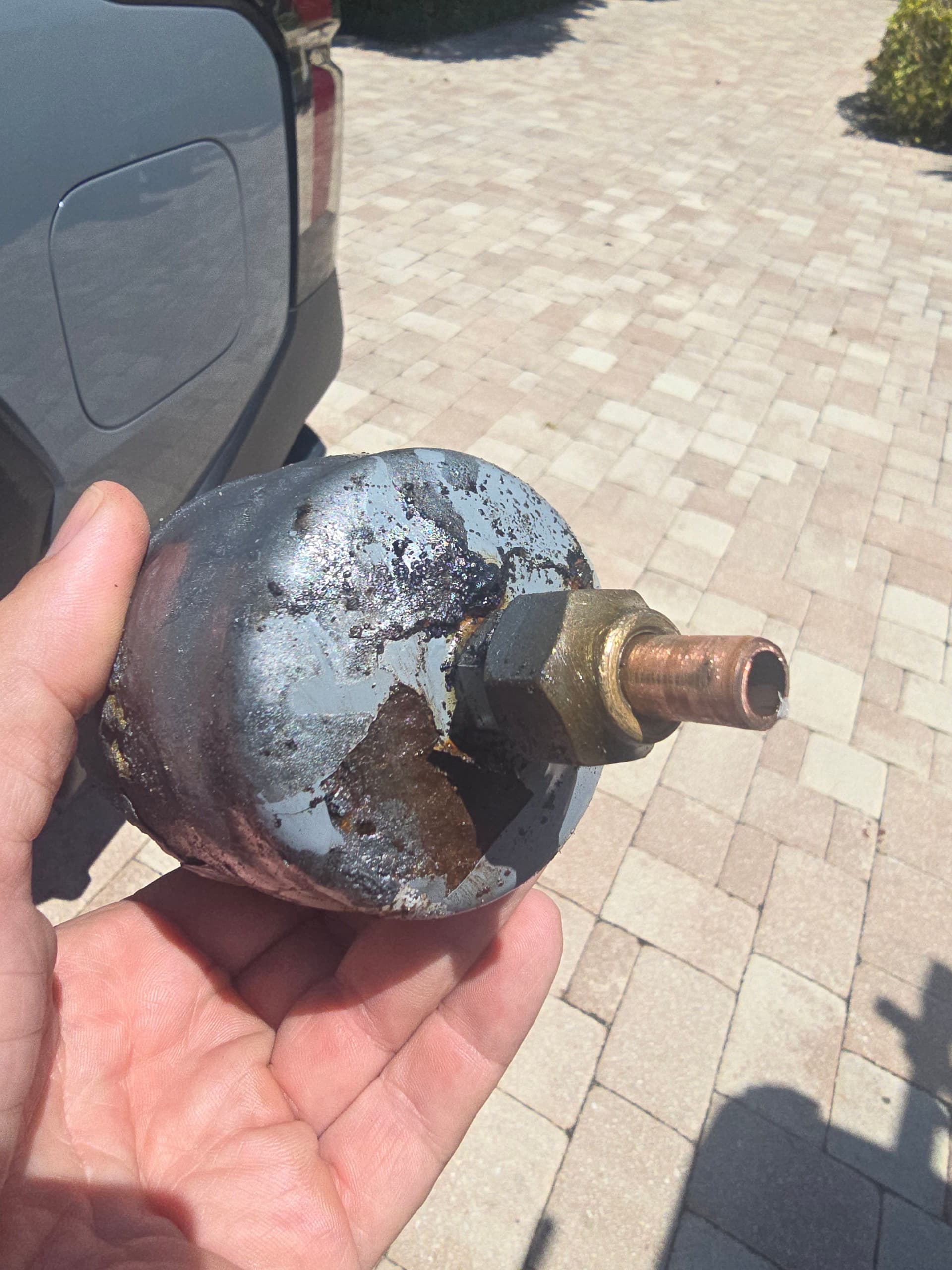
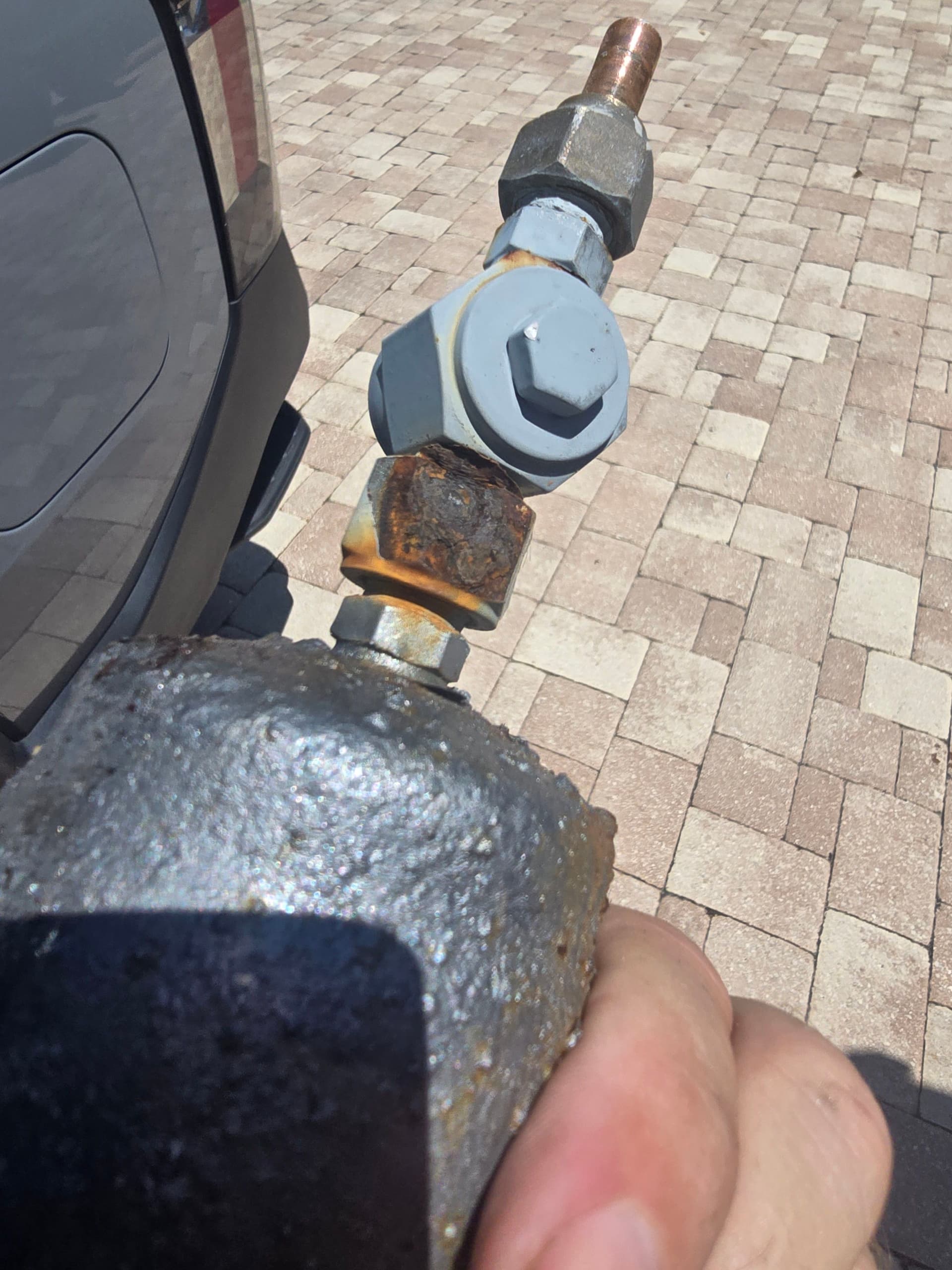
Here's what we were working with on this one. The filter drier was externally installed and had corroded badly at the fittings. You can see the heavy oxidation and scale buildup around the brass connection point where it meets the copper line. That kind of deterioration puts stress on the seal, and a compromised seal means refrigerant loss. It's not a dramatic failure - it's a slow bleed that quietly hurts your system's performance over time.
That's what makes this type of issue tricky. Your AC might still be running. It just isn't keeping up the way it should. You're probably bumping the thermostat down, wondering why the house feels warmer than usual. A corroded filter drier is exactly the kind of thing that gets missed unless a technician is actually looking at the full system - not just checking pressures and calling it done.
Catching this early matters. Replacing a filter drier is a straightforward AC repair when you get to it before refrigerant has been leaking for months. Wait too long and you're potentially looking at compressor damage or contamination in the refrigerant circuit - problems that cost significantly more to address. Small part, but a big role in protecting the rest of your equipment.
If your system isn't keeping up or your energy bills have crept up for no clear reason, it's worth having someone take a real look. These are the kinds of details that make the difference between a simple fix and a costly breakdown.