A Failing TXV Was Killing This AC System's Cooling
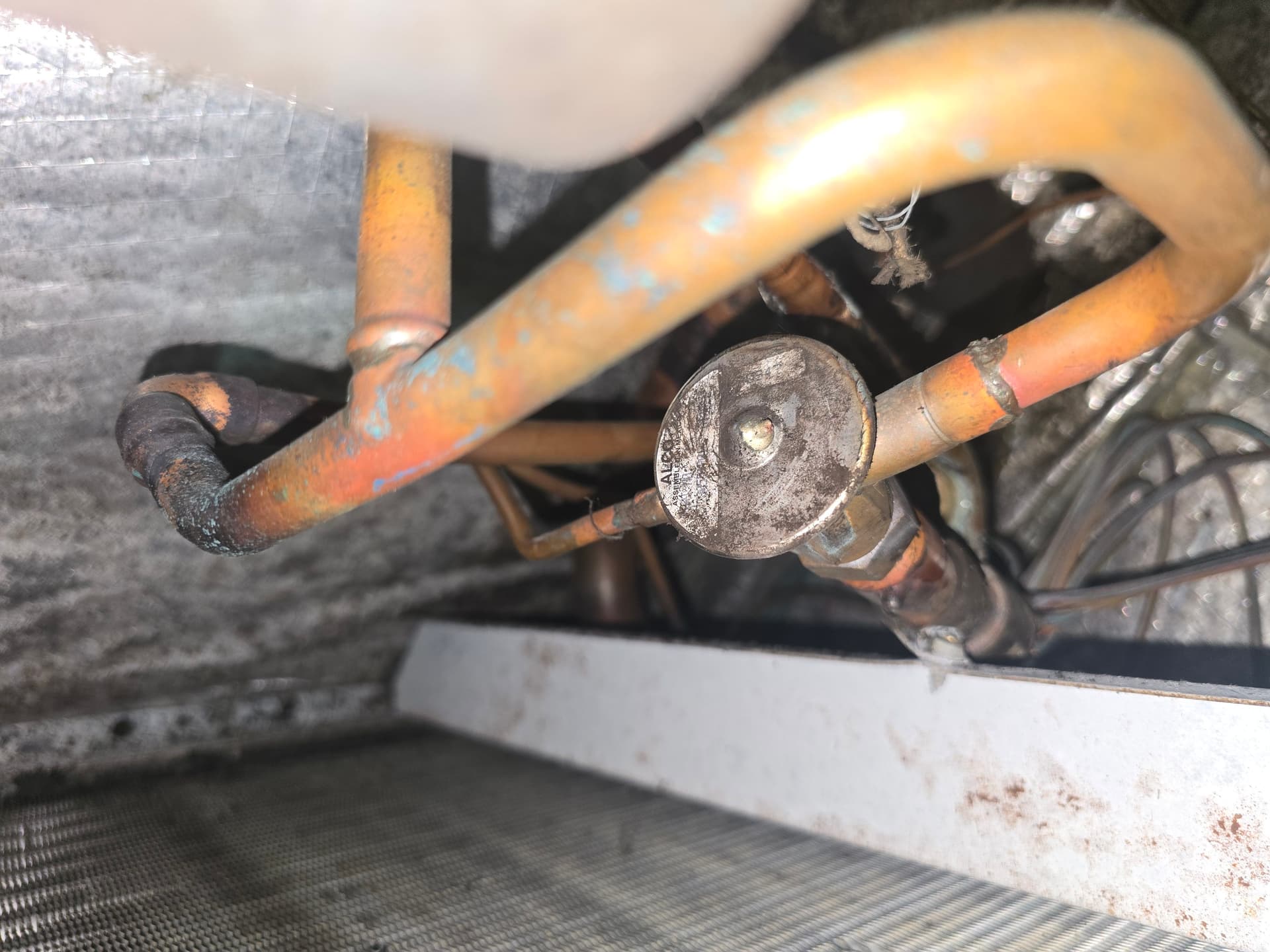
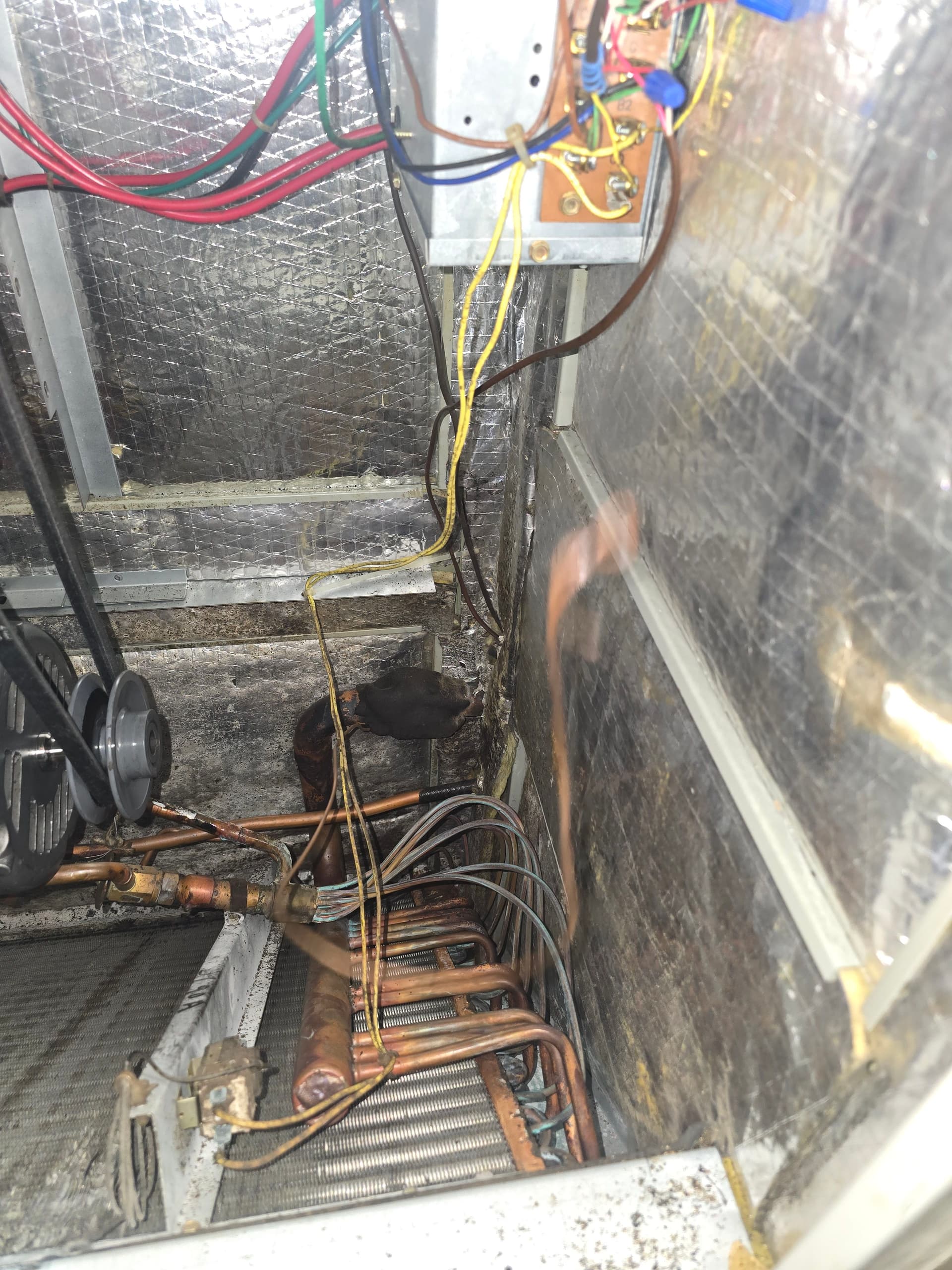
A TXV - short for thermostatic expansion valve - is one of those components most people have never heard of. But it plays a critical role in how your system cools. It controls the flow of refrigerant into the evaporator coil, and when it starts to fail, the whole system suffers. Warm air, inconsistent temperatures, short cycling - these are the kinds of complaints that follow a bad TXV around.
Here's what makes this tricky. The symptoms of a failing TXV can look like a dozen other problems. Low refrigerant, a dirty coil, a bad compressor - they all share similar signs. That's why diagnosing it correctly matters so much. We don't just swap parts and hope for the best. We trace the issue back to its actual source before anything gets replaced.
On this call, that's exactly what happened. The system wasn't keeping up, and after a thorough inspection of the refrigerant circuit and evaporator coil section, the TXV was clearly the culprit. You can see the age and wear on the components inside this unit - this wasn't a system that had been ignored for a season. It had been running hard for a long time.
Once we confirmed the diagnosis, we got the valve replaced and the system back on track. Air conditioning repair work like this is satisfying because it's one of those fixes where the results are immediate. The system starts doing its job again - efficiently, consistently, without straining to keep up. That's the goal every time.
If your system is running but just not cooling the way it should, don't wait until it quits on you completely. A struggling system working overtime to compensate for a bad component is a system that's moving toward a bigger failure. Catching it early almost always costs less - and keeps you comfortable when it counts.