High Amp Draw Is Quietly Killing AC Systems Right Now
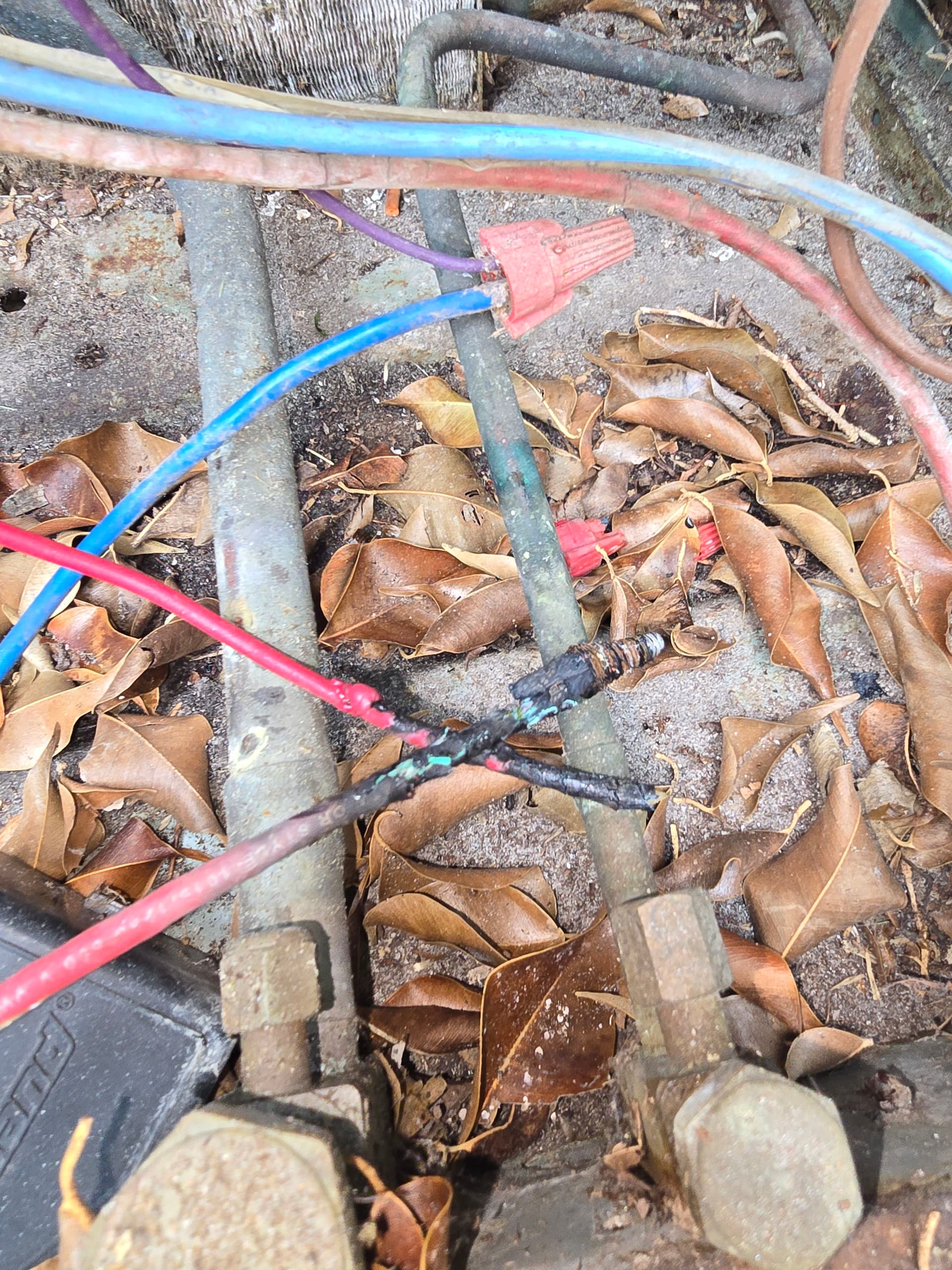
High amp draw is one of those problems that flies completely under the radar - until it doesn't. Your system keeps running, the air feels kind of cool, and nothing seems obviously wrong. But behind the scenes, the unit is pulling more power than it should, and that extra load is building heat and stressing every electrical component in the system.
What we're dealing with here is a real-world example of what neglected wiring inside an outdoor AC unit can look like. Burned insulation, corroded connections, deteriorated wiring - this is what happens when high amp draw goes unchecked. It doesn't take long before that kind of heat damage works its way through the electrical system and takes out a compressor. Compressor replacements are expensive. This kind of damage is preventable.
The tricky part is that a system with high amp draw often still runs. It just doesn't run well. You might notice it sounds a little different than usual, or it's struggling to keep the house cool even though it's been running all day. Those are the signs to pay attention to. Don't brush them off.
When we get to a unit like this, we're not just swapping out the obvious damaged parts and calling it done. We're tracing the problem back to the root cause - figuring out why the draw was high in the first place, what it damaged along the way, and what needs to be corrected so it doesn't happen again. That's the difference between a real repair and a temporary fix.
If your system sounds off, cycles more than usual, or just isn't keeping up - that's your cue to get someone out there. The longer high amp draw runs unchecked, the more it costs to fix.