Why Your AC System Could Be Making Its Own Ice
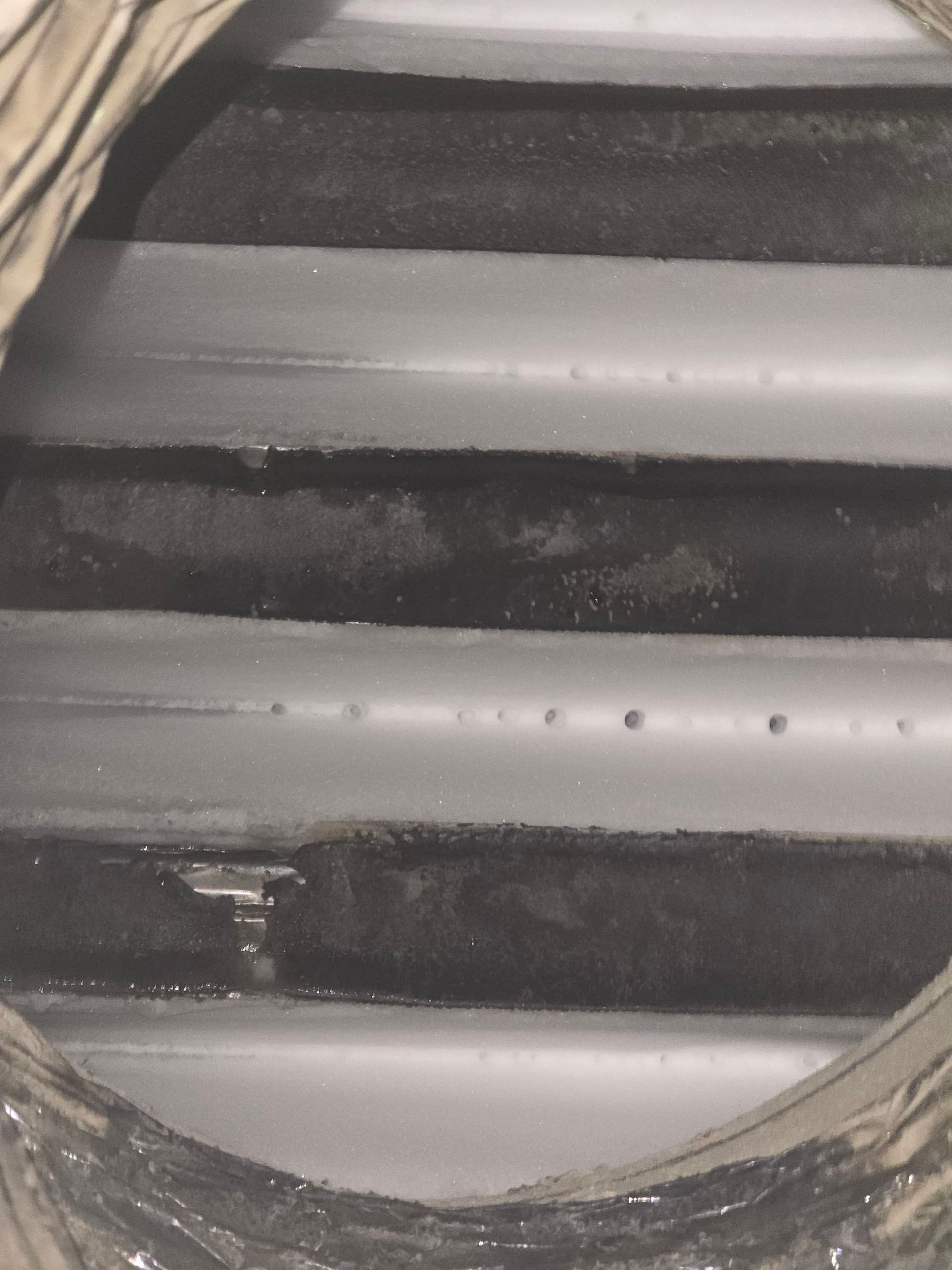
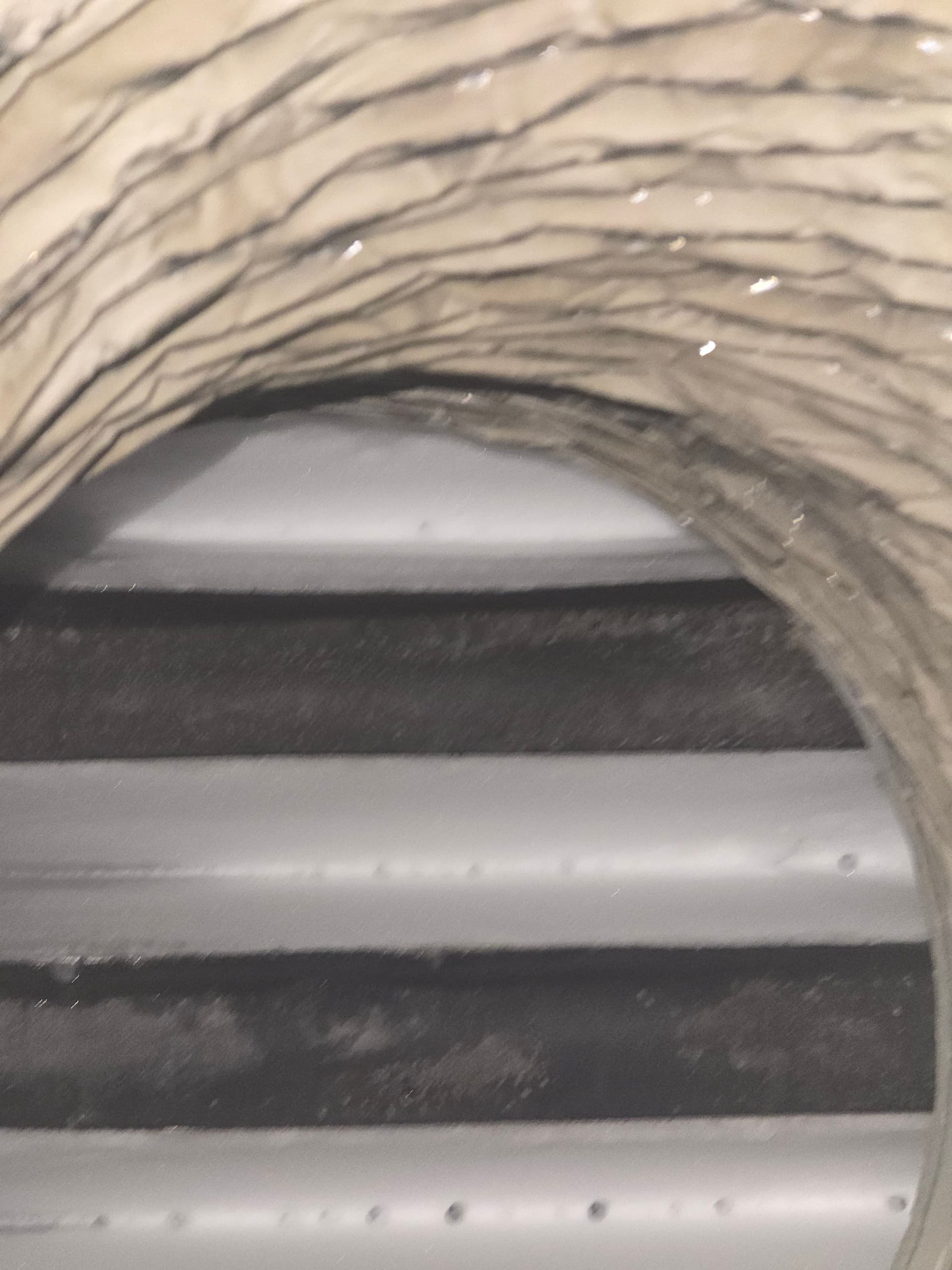
A lot of homeowners assume a frozen coil means they're low on refrigerant. That's not always the case. One of the most overlooked causes is a failing blower motor - and it creates a chain reaction that's easy to miss until your system stops cooling entirely.
Here's how it works. The blower motor is responsible for pushing air across the evaporator coil. When that motor starts to fail, airflow drops. Without enough warm air moving over the coil, moisture in the air starts to collect and freeze. What starts as a small issue turns into a solid block of ice sitting in your system - blocking airflow even further and putting serious stress on other components.
We see this more than people realize. The dirty buildup visible on coil surfaces makes everything worse. When the fins and surfaces are coated in grime, heat transfer suffers and the problem compounds fast. That's why a proper diagnosis has to look at the whole picture - not just refrigerant levels.
That's exactly what we do at Air benders. We don't just treat the symptom. We trace it back to the actual cause, whether that's a weak blower motor, restricted airflow, buildup on the coil, or something else entirely. Getting your ducts cleaned is also part of keeping airflow where it needs to be - restricted ducts put extra strain on the blower and contribute to the same low-airflow problem.
If your system isn't cooling the way it should, or if some rooms feel weaker than others, don't wait for it to fully ice over. Strange airflow patterns are usually the first sign something is off. We can find the cause and get things sorted out before it turns into a bigger repair.