Why Your Vents Are Sweating and What to Do About It
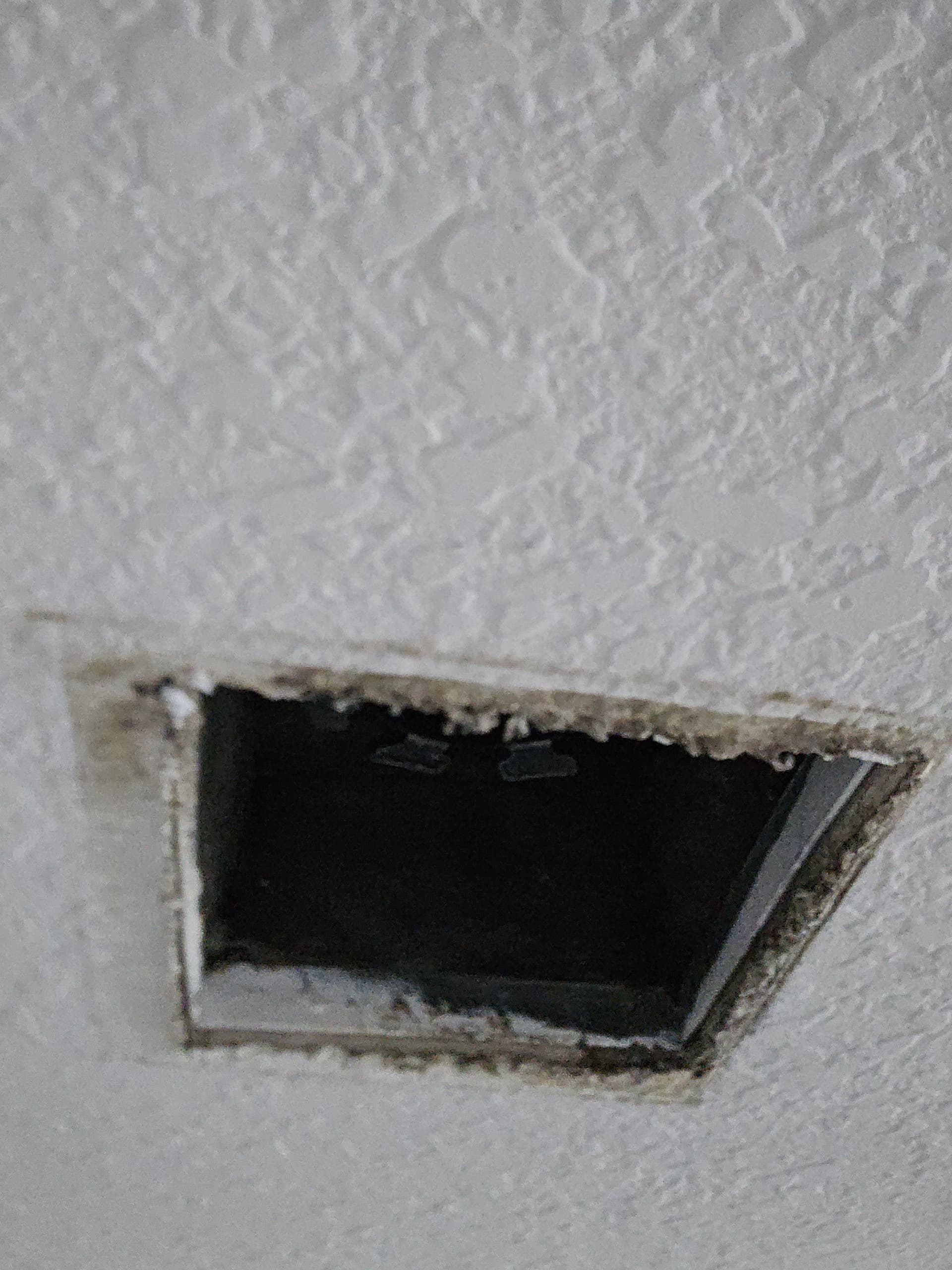
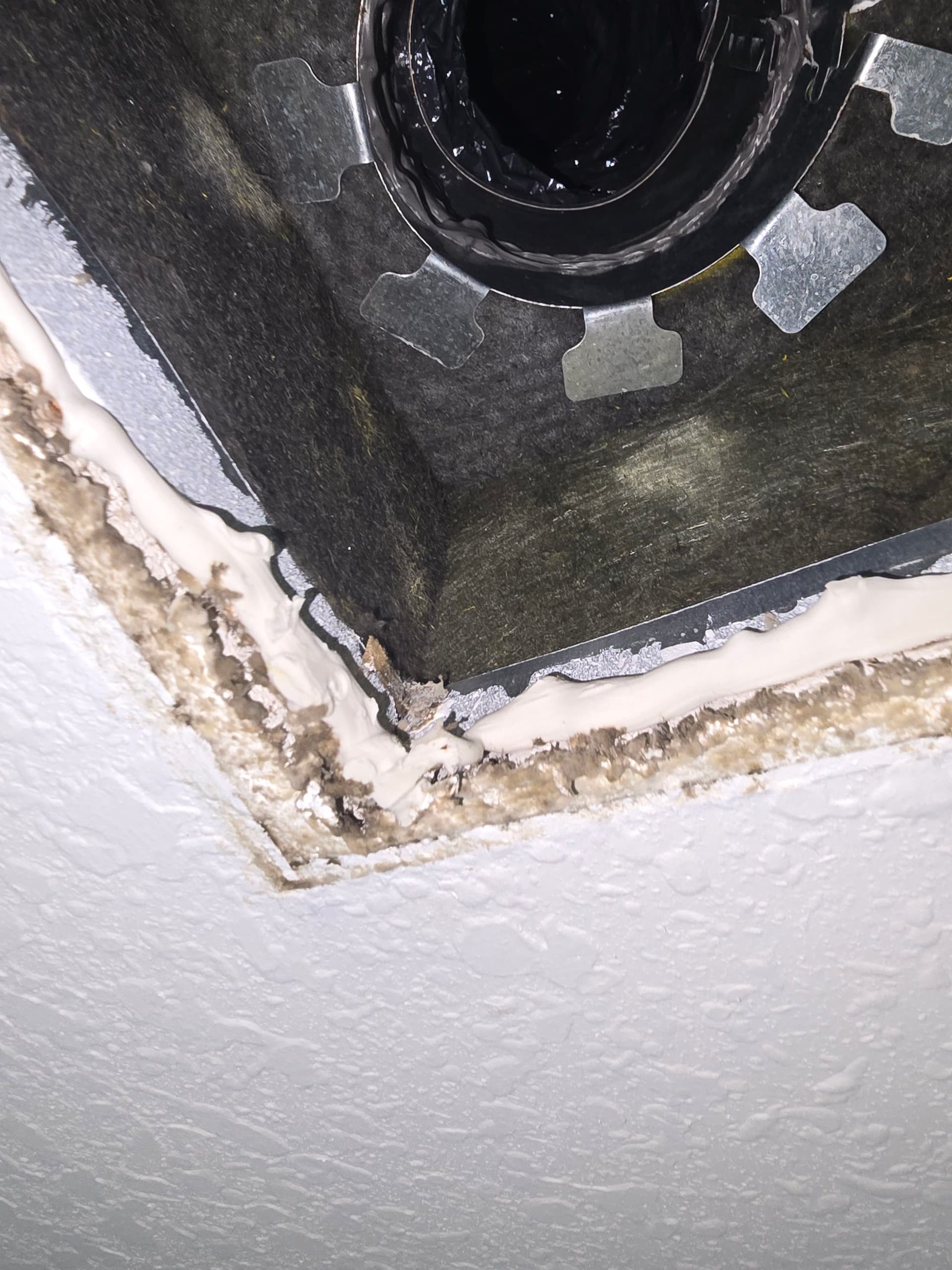
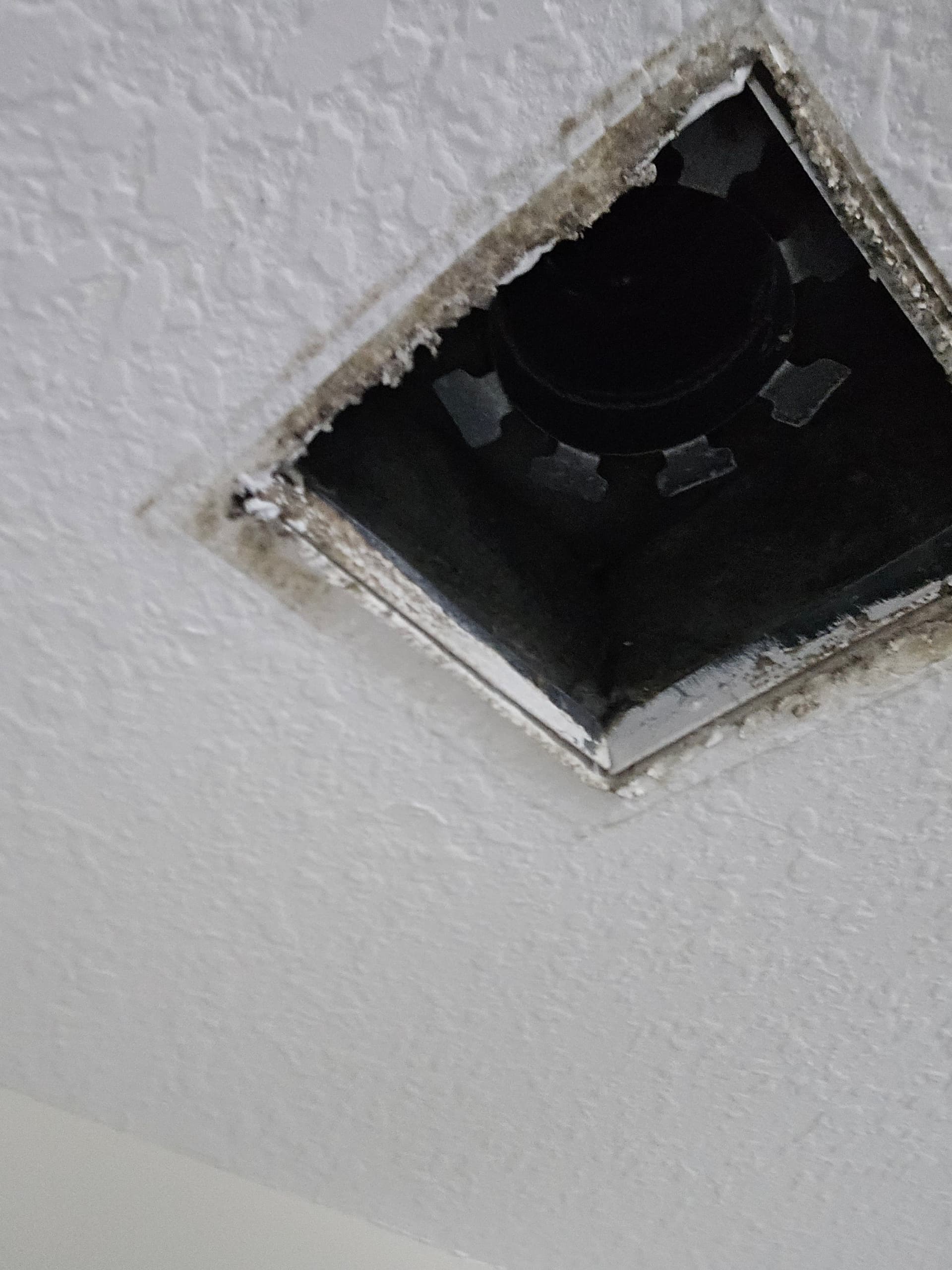
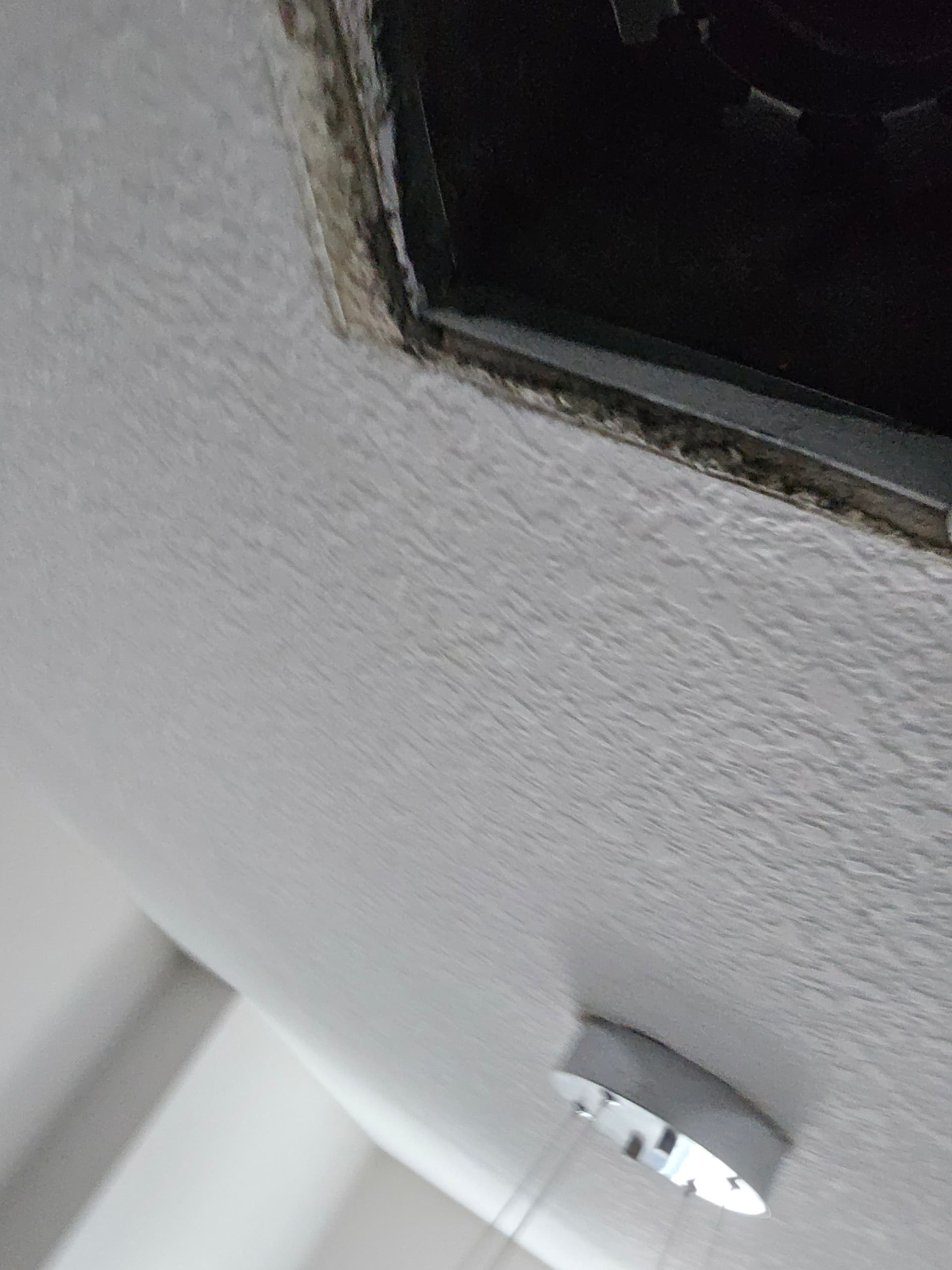
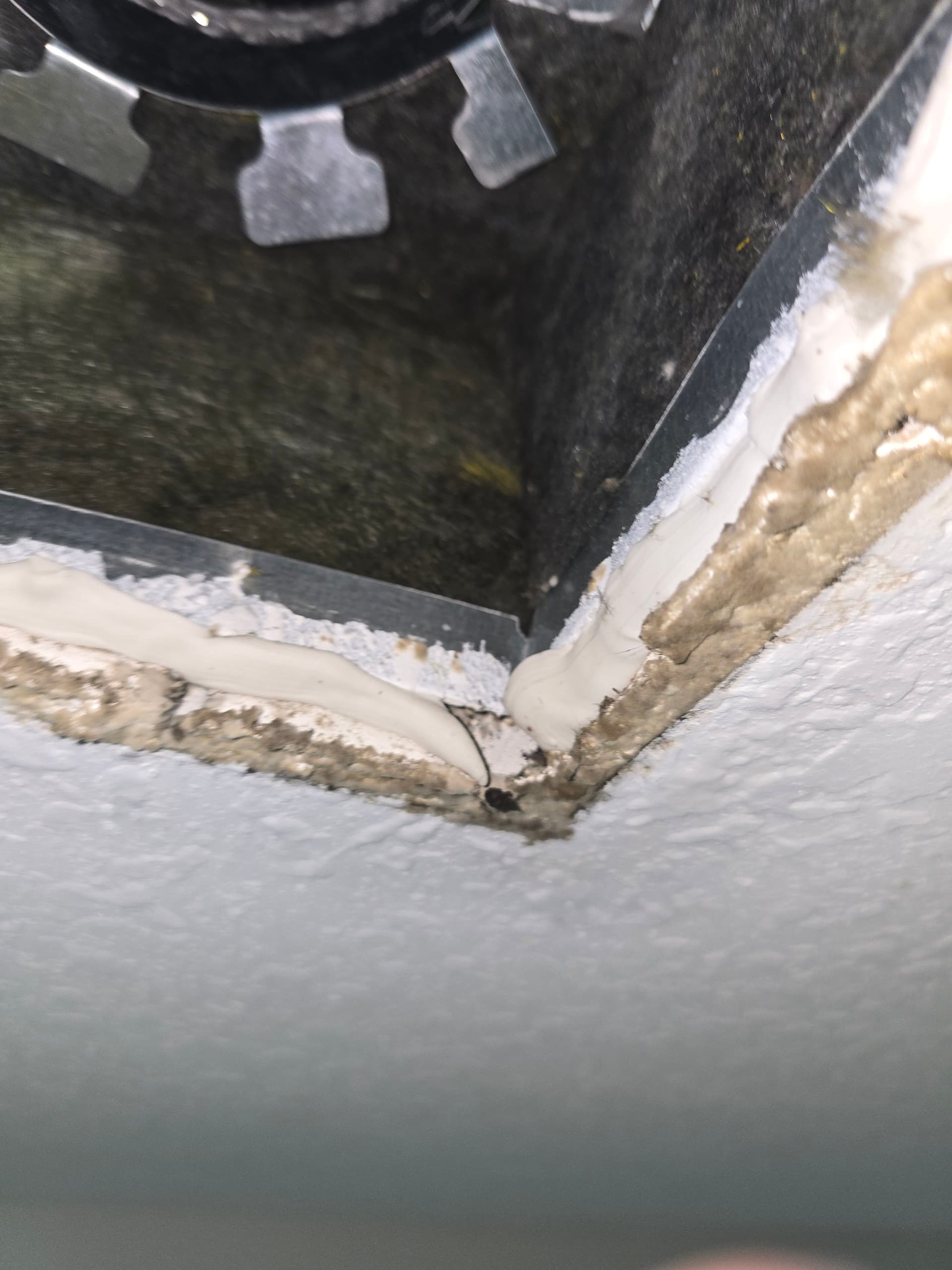
If you've noticed water dripping from a ceiling vent - or dark staining around the edges of a grille - it's not a random fluke. That moisture is almost always a sign that warm, humid air is getting into places it shouldn't. Specifically, it's making contact with the cold metal of your duct boot or can, and sweating. Same principle as a cold glass of water sitting on a table in the summer.
The root cause we see most often is an unsealed duct can or boot. When there's a gap between the sheet metal and the ceiling drywall, unconditioned attic air sneaks in. That air is warm and loaded with humidity. It hits the cold duct surface, condenses, and drips. Over time, that leads to staining, drywall damage, and in some cases, mold growth right around the vent opening. It's a small gap causing a surprisingly big problem.
What we do is track down every unsealed point - the can edges, the boot connections, anywhere air is moving that it shouldn't be. Then we seal it properly. Not a quick tape job. A real, durable seal that keeps the attic air out and your conditioned air moving exactly where it's supposed to go. That's the difference between a band-aid and an actual fix.
This kind of ductwork repair is one of those things that doesn't look complicated from the outside, but getting it right matters a lot. A sloppy seal fails fast, especially with the temperature swings your attic goes through. We use the right materials for the application and make sure every connection point is addressed - not just the obvious ones.
Sweating vents are easy to ignore until the ceiling starts showing water damage or you've got a bigger moisture issue on your hands. If you're seeing drips, staining, or condensation around any of your grilles, that's worth getting looked at sooner rather than later.